
4. Evaluate How the Builder Handles the Design & Permit Process
The design and permit stages form the foundation of your entire project. Decisions made here influence cost, feasibility, quality, and how smoothly the build will run. This is why understanding how your builder participates in this phase is essential — different builders offer different levels of support, and that can dramatically change your experience.
Different Types of Builder Involvement in Design
Not every builder participates in design the same way. In Toronto, most fall into one of these categories:
A. No Design Involvement
Architect works independently → builder joins only after permits are approved.
Pros: full creative freedom.
Cons: higher risk of designing something too expensive, complex, or impractical for your budget or lot.
B. Design-Phase Consultation
Builder advises during design but does not produce drawings.
They help align early concepts with real-world constraints, budgets, and construction methods — reducing costly revisions later.
C. Fully Integrated Design-Build
Builder and designer/architect collaborate from day one.
This creates better alignment between budget, design intention, structure, and construction feasibility.
Curious About Which Design Approach Fits Your Project?

If you’d like a clearer explanation of how each builder involvement model works — including the pros, cons, costs, and ideal use cases — you can explore our short guide below.
Regardless of Role — Collaboration Is Essential
Whether the builder leads design, consults, or joins later, their relationship with the design team matters just as much as the drawings themselves.
A strong builder–architect partnership helps ensure the design:
aligns with your realistic budget
anticipates structural needs early
avoids unnecessary complexity
uses materials that perform well over time
reduces avoidable revisions
remains true to the design intent while staying buildable
Collaboration is not only about communication — it’s about synergy.
And there’s an excellent way for homeowners to evaluate it.
A Practical Sign of Strong Teamwork
Because homeowners rarely see behind the scenes, it can be hard to judge how smoothly past builder–architect relationships went.

One of the simplest indicators:
If the builder has worked with the same architect or design team multiple times, it’s usually a sign of smooth collaboration, trust, and a well-coordinated process.
Designers typically do not return to builders who create friction, ignore design intent, cause delays, or struggle with coordination.
Repeated partnerships often signal professionalism and compatibility — two things that benefit you more than you might think.
Understanding the Permit Process
Permits involve many steps — zoning, architectural drawings, structural engineering, mechanical design, energy compliance, and city review. A strong builder will:
prepare high-quality drawings
flag issues early
coordinate required consultants
anticipate city requests
avoid common submission errors
help you understand zoning limits and options
However, it’s critical for homeowners to know that:
No builder can control how fast the city reviews or approves permits.
Promising guaranteed approval times, “fast permits,” or exact processing durations is a red flag.
Some timeline factors are not fully in the builder’s control.
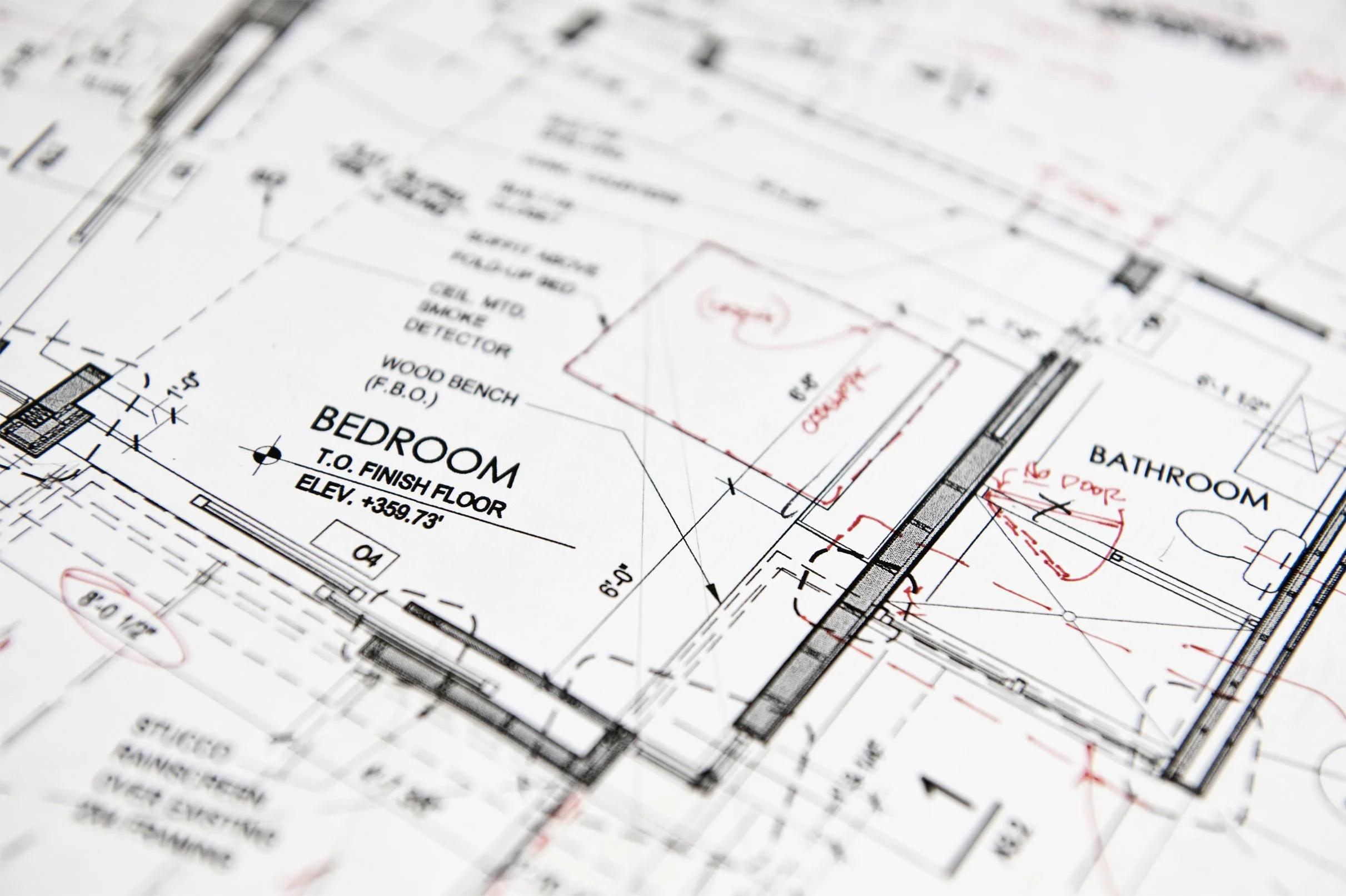
Permits, zoning reviews, engineering approvals, inspections, and some administrative processes are handled by external parties. A good builder can guide you, prepare your documents properly, and avoid unnecessary delays — but no builder can promise exact timelines for city processing.
So if someone guarantees
“fast approval,” “no delays,” or “we can do permits in X days”
— that is a red flag.
If you’d like to understand how permits and city approvals truly affect construction timelines, you can read our short guide:
What This Signals About Your Builder
A builder’s approach to design and permits reveals a great deal about their overall working style. When they collaborate closely with the design team, anticipate challenges early, support the permit process, and help refine ideas into practical solutions, it’s a strong indicator of professionalism, transparency, and a smoother experience throughout the rest of your project.
Red Flags to Watch For

Claims of guaranteed fast permit approvals
Builder avoids involvement in design or permits
No collaboration with the architect or engineers
Not reviewing drawings before submission
Overly optimistic statements like “anything is possible”
Zero familiarity with zoning limits or COA requirements
No history of repeat collaboration with designers