Common Mistakes Homeowners Make in the Early Planning Phase and How to Avoid Them
The early stages of planning a custom home or major renovation are exciting, but they are also where most homeowners make costly mistakes. Issues like starting without a clear vision, avoiding early budget conversations, overlooking zoning limits, involving a builder too late, underestimating permit timelines, or focusing on finishes before function can set a project off course. Understanding these common pitfalls will help you move forward with confidence.

1. Starting Without a Clear Vision
Many homeowners begin with scattered ideas, inspiration photos, or wishlist items without a structured way to express what they truly want.
Avoid it by:
Clarifying your lifestyle priorities, must-haves, and the feeling you want your future home to create.

If you'd like help shaping your vision, you can explore our Dream 50 Series, a guided framework that helps you define the kind of home that fits your life today — and in the future.
2. Skipping the Budget Conversation
Some homeowners delay talking numbers, hoping to “figure it out later,” which often leads to redesigns, unexpected costs, or misaligned expectations.
Avoid it by:
Setting a realistic budget range early and sharing it openly with your builder so they can guide you toward options that match both your vision and finances.

If you'd like to better understand pricing models and transparency, you can read our article on Cost-Plus vs. Fixed-Price Contracts: What’s Right for Your Project?
3. Choosing Design Before Understanding Site & Zoning Limits
Falling in love with a layout or exterior design that isn’t permitted on your lot is one of the easiest ways to lose time and momentum.
Avoid it by:
Reviewing zoning bylaws, setbacks, conservation restrictions, grading requirements, and other site conditions before committing to a final design.

If you'd like to learn more about how zoning and approvals impact your project, you can read our article on Understanding Permits, Approvals, and Timelines in Toronto’s Custom Home Process.
4. Waiting Too Long to Involve a Builder
Some homeowners wait until architectural drawings are fully complete before speaking with a builder — missing the chance to align design with real costs and constructability.
Avoid it by:
Bringing your builder into the conversation early so design decisions stay realistic, efficient, and financially aligned from the start.

If you'd like guidance on selecting the right builder, you can read our 7 Tips to Choose the Right Builder for Your Project.
5. Underestimating Timeline & Permits
Permits and municipal approvals often take longer than expected in the GTA. Starting design too late or expecting a short approval timeline can cause project delays.
Avoid it by:
Understanding municipal timelines up front, and planning backwards from your ideal move-in date.
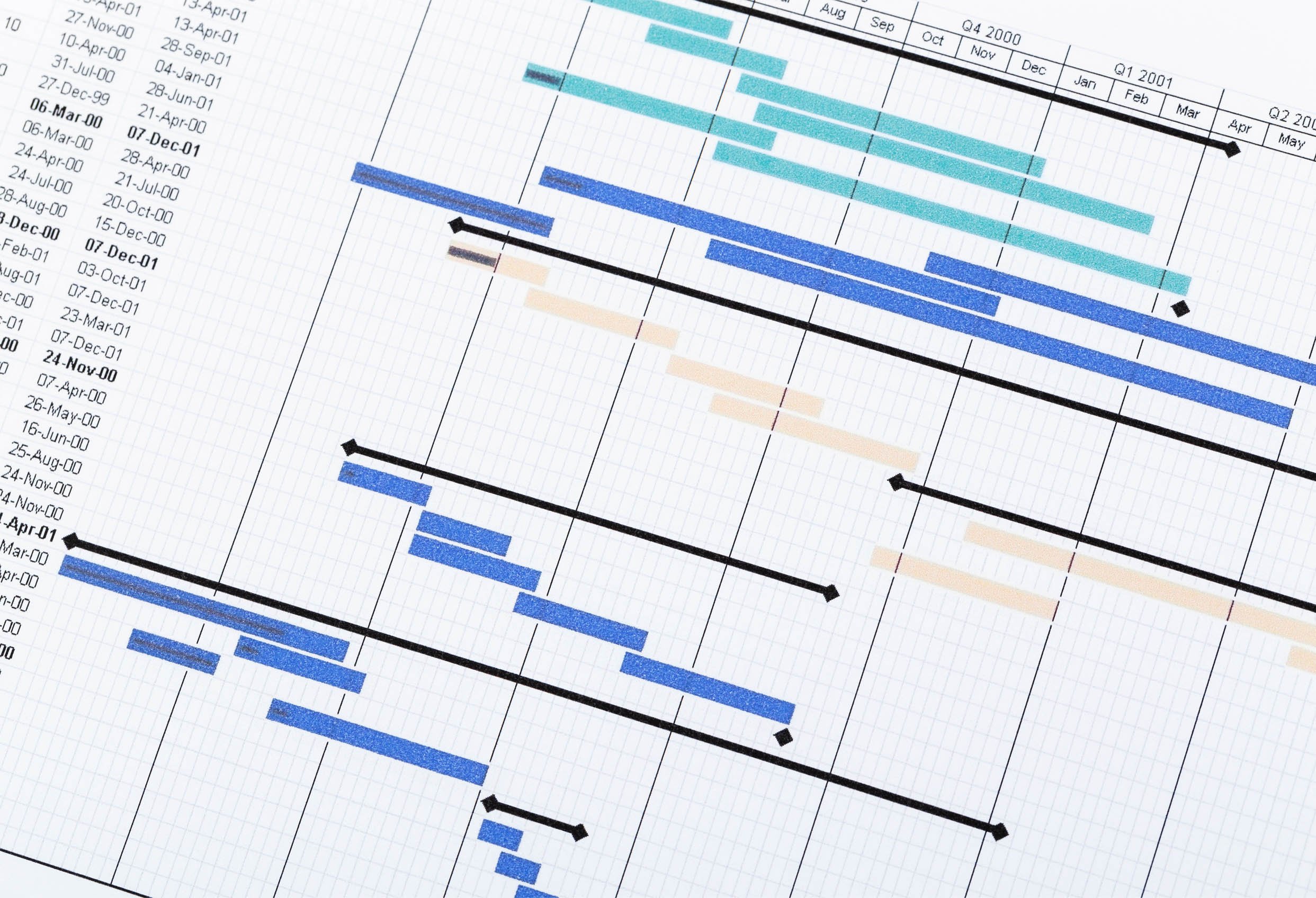
If you'd like a clearer picture of how approvals work, you can read our article on Understanding Permits, Approvals, and Timelines in Toronto’s Custom Home Process.
6. Focusing on Finishes Before Function
Choosing tiles, paint colours, and fixtures too early can distract from the more important decisions that shape how your home actually works and feels.
Avoid it by:
First refining your layout, flow, natural light, and functionality — finishes should support your space, not dictate it.
If you'd like a simple way to communicate your ideas clearly and completely, you can read our guide on How to Communicate Your Vision to Your Builder or Designer, where we also provide a helpful template to structure your thoughts.
Final Thought
A smooth custom home journey begins long before construction starts. With clarity, early conversations, and the right team by your side, you can avoid these pitfalls and build your home with confidence and excitement.

Helpful reads as you plan your project